You finally clear a stubborn breakout, only to find a dark, lingering mark left in its place. Or perhaps you’ve noticed patches of uneven skin tone appearing after a summer spent in the sun. Hyperpigmentation is one of the most common skin concerns globally. It is often treated with harsh DIY "remedies" that make the marks even darker. You might've tried lemon juice or aggressive scrubbing, but the spots stay put. That’s because hyperpigmentation isn't a surface stain. It’s a biological response triggered by hormones, UV rays, or inflammation.
The good news? Be it acne scars or sun damage, hyperpigmentation is treatable. Once you understand the science of why your skin produces excess pigment, you can choose the right ingredients to fade it for good.
What Exactly Is Hyperpigmentation?
Hyperpigmentation occurs when specialized skin cells called melanocytes go into overdrive. These cells produce melanin, the pigment that gives our skin its color. When these cells are triggered—by injury, sunlight, or hormones—they release excess melanin into specific areas, creating dark spots or patches.
On deeper skin tones, this process happens even more easily, which is why post-inflammatory marks are so common in Indian skin.
The 3 Main Types of Hyperpigmentation
Not all dark spots are the same. Identifying which type you have is the first step toward the right treatment.
-
Post-Inflammatory Hyperpigmentation (PIH): These are the flat "scars" left behind after acne, a cut, or a burn. They usually appear as red, brown, or black spots.
-
Melasma: Larger, symmetrical patches of pigment, usually on the cheeks, forehead, or upper lip. This is often triggered by hormonal changes (like pregnancy or birth control) and worsened by heat.
-
Sun Spots (Lentigines): Also known as age spots, these are caused by lots of years of UV exposure. They typically appear on the face, hands, and shoulders—the areas most exposed to the sun.
Ingredients That Actually Fade Dark Spots
To treat hyperpigmentation, you need ingredients that do one of two things: inhibit melanin production or speed up cell turnover to shed the pigmented cells.
1. Alpha Arbutin & Kojic Acid (The Brighteners)
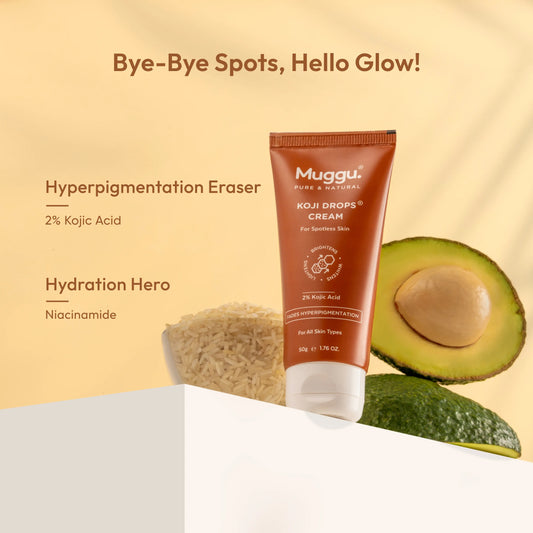
 These are "tyrosinase inhibitors." They work by telling your melanocytes to slow down pigment production. Unlike harsh bleaching agents, they are safe for long-term use and excellent for fading PIH and sun spots.
2. Vitamin C (The Protector)
 It is a powerful antioxidant that neutralizes free radicals from UV exposure. It brightens the overall complexion and prevents new spots from forming. It’s the perfect "morning" active.
3. Niacinamide (The Barrier Builder)
 It prevents the transfer of pigment from the melanocytes to the skin cells. It also calms inflammation, which prevents PIH from happening in the first place.
4. Glycolic Acid (The Resurfacer)

By exfoliating the surface layer of the skin, Glycolic Acid helps "lift" existing pigment and allows your other brightening serums to penetrate deeper.
How to Build Your Fading Routine
The secret to clear skin isn't using the strongest acid; it's using the right ingredients at the right time.
-
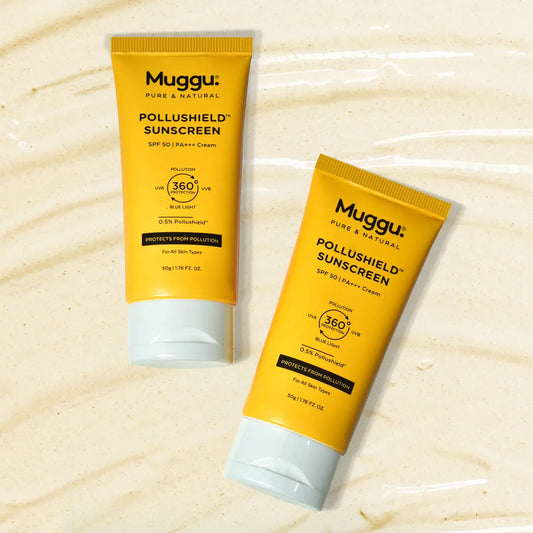
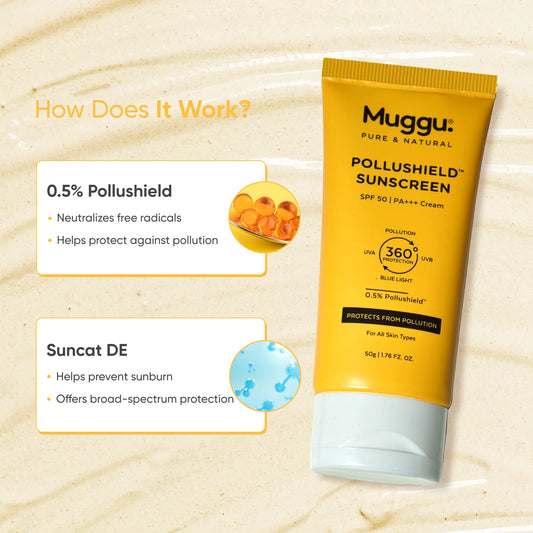
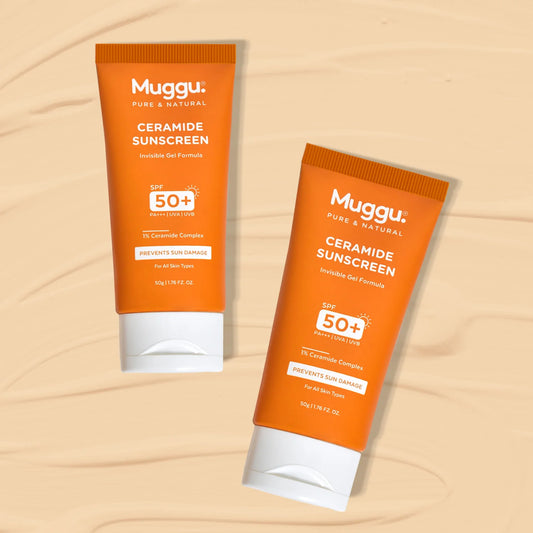
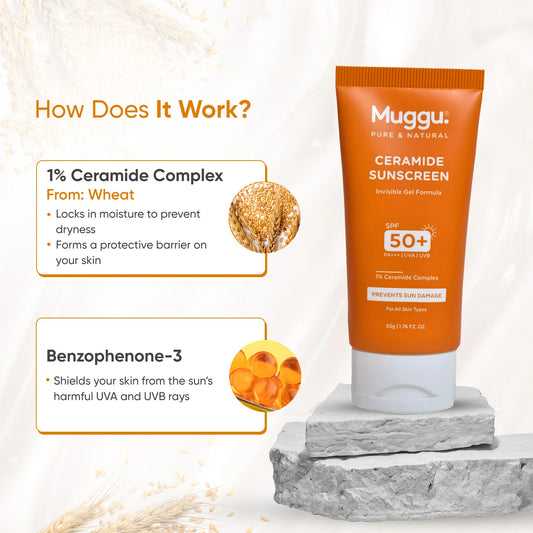
Morning: Focus on Protection. Use a Vitamin C serum followed by a broad-spectrum Sunscreen (SPF 50). Without sunscreen, your brightening treatments will not work—period.
-
Night: Focus on Treatment. Use a serum containing Alpha Arbutin or Niacinamide. 2–3 times a week, incorporate an AHA like Glycolic Acid to speed up the fading process.
Pro Tip: Be patient. Skin cells take about 28–45 days to renew. You should see a noticeable difference in 4–8 weeks of consistent use.
Quick Guide: Which Treatment for Which Spot?
|
Concern
|
Best Ingredient
|
Why?
|
|
Fresh Acne Marks (PIH)
|
Niacinamide + Alpha Arbutin
|
Calms inflammation and stops pigment formation.
|
|
Dullness & Sun Damage
|
Vitamin C
|
Brightens skin and repairs UV damage.
|
|
Stubborn Dark Patches
|
Glycolic Acid + Kojic Acid
|
Resurfaces skin and deeply inhibits melanin production.
|
|
Rough Texture + Spots
|
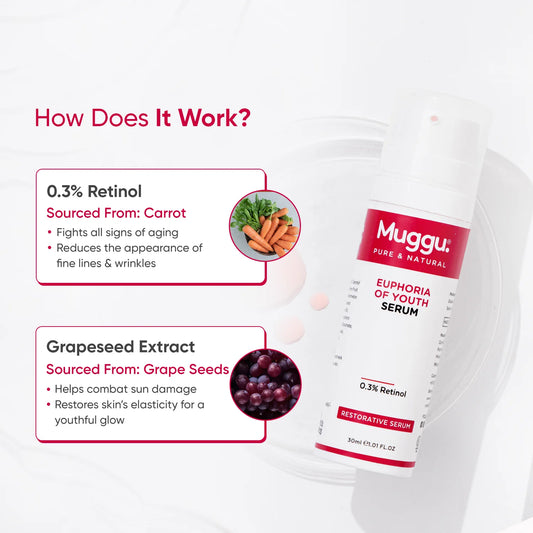
Retinol
|
Speeds up cell turnover from within.
|
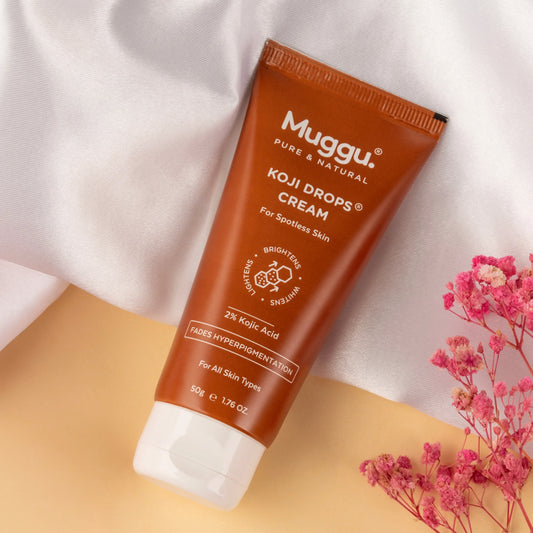
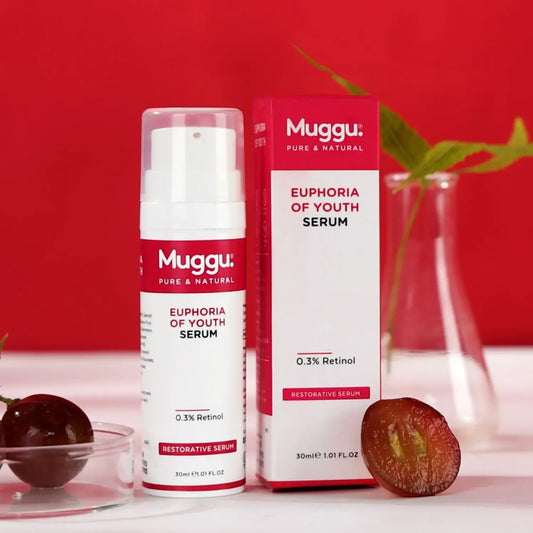
The Muggu Way: Targeted Brightening
If you're looking for a beginner-friendly way to improve uneven tone, our Retinol formulations are designed for maximum stability with zero irritation.
✔ Fades dark spots without thinning the skin
✔ Hydrating formulas that support the skin barrier
✔ Lightweight and perfect for humid indian weather
✔ Results you can see in as little as 4 weeks
Final Thoughts
Hyperpigmentation is a journey, not a sprint. The goal is not to change your natural skin tone, but to achieve a healthy, even-toned glow. When you protect your skin from the sun every day and use scientifically-backed brighteners, those stubborn marks eventually fade into the background.
Consistency is your best friend. Stick to your routine, wear your SPF, and let the ingredients do the work. Your brightest skin is just a few cell cycles away! 💛
Clear skin isn't luck—it's a science-backed habit!